


Google Ads vs. Meta Ads: What Small Businesses Need to Know About Paid Ads

Updated: 5 days ago

I know you've been here...
“I boosted a Facebook post and got nothing…” or “Google Ads are too expensive…”
…you’re not alone.
One of the biggest misconceptions in digital marketing is that all online ads work the same way.
They don’t.
Google Ads and Meta Ads (Facebook & Instagram) serve completely different purposes in the marketing funnel, target people differently, require different strategies, and often need very different budgets to be successful.
Understanding the difference can help small businesses stop wasting money and start building smarter advertising campaigns.
First: What is PPC?
PPC stands for Pay-Per-Click.
This means advertisers pay when someone clicks on their ad instead of paying a flat fee upfront.
Google Ads is the most commonly known PPC platform, but Meta Ads also use bidding systems and paid placement models.
The key difference is how those ads are shown and why people see them.
Where Ads Fit in the Marketing Funnel
A good marketing strategy is not just “run ads.”
Different ad platforms support different stages of the customer journey.
Top of Funnel: Awareness
This is when people are first discovering your business.
At this stage, potential customers may not even realize they need your services yet.
This is where Meta Ads often perform best.
Meta Ads (Facebook & Instagram)
Meta platforms are interest-based advertising systems.
Ads are shown to users based on:
Interests
Behaviors
Demographics
Location
Online activity
Engagement patterns
For example:
A homeowner interested in home improvement may see a roofing ad
A local business owner may see workflow automation services
Someone following farm or agriculture content may see a local event promotion
The goal is to:
Create awareness
Build trust
Stay visible
Generate interest
Encourage future action
Meta Ads are excellent for:
Brand awareness
Retargeting website visitors
Promoting events
Building social proof
Growing local recognition
Nurturing audiences over time
Bottom of Funnel: Intent & Conversion
This is where Google Ads dominate.
Google Ads are search-based advertising.
Instead of targeting interests, Google targets intent.
People are actively searching for something specific:
“Emergency plumber near me”
“Fence contractor in Dallas”
“HVAC repair open today”
“Best electrician in Westchester County”
These users already have a need and are looking for a solution now.
That’s why Google Ads are often stronger for:
Lead generation
Service calls
Quote requests
Emergency services
Appointment bookings
High-intent searches
The Biggest Difference Between Google Ads and Meta Ads
Google Ads Capture Existing Demand
People already know what they need.
You are placing your business in front of active searchers.
This is why Google Ads can produce fast leads, especially for service-based businesses.
However, competition can be intense.
Industries like:
Plumbing
HVAC
Roofing
Electrical
Legal
Medical
…often have very high cost-per-click rates because many businesses are bidding on the same keywords.
Meta Ads Create Demand
Meta Ads interrupt scrolling behavior.
People are not actively searching for your business when they see your ad.
You are introducing your business to them while they browse social media.
This means:
Creative design matters more
Videos matter
Messaging matters
Brand personality matters
Repetition matters
Meta is often better for long-term brand building rather than immediate emergency-service leads.
Let's Talk Budget
A common mistake:
“I’ll throw $50 at ads and see what happens.”
Unfortunately, ad platforms need enough data to learn what works.
Successful campaigns require:
Audience testing
Ad creative testing
Tracking setup
Conversion optimization
Time for learning phases
Ongoing adjustments
A budget that is too small often leads to:
Limited visibility
Poor data collection
Inconsistent results
Higher costs over time
What is A/B Testing?
A/B testing compares multiple versions of an ad to determine which performs better.
Instead of guessing, advertisers test:
Headlines
Images
Videos
Calls-to-action
Audiences
Ad copy
Placements
Sometimes changing a single image or headline can dramatically improve performance and reduce ad costs.
Good campaign management relies heavily on data-driven testing.
Finding the Right Audience
One of the fastest ways to waste ad spend is targeting everyone.
The best campaigns focus on the right people.
Targeting may include:
Geographic service areas
Homeowners vs renters
Age ranges
Income brackets
Interests
Website visitors
Existing customer lists
Lookalike audiences
Search intent
The more refined the targeting strategy, the more efficient the campaign usually becomes.
Tracking & Setup Matter
A successful campaign usually requires:
Proper conversion tracking
Google Analytics integration
Meta Pixel setup
Landing pages
Call tracking
Keyword strategy
Audience segmentation
Ongoing optimization
Without accurate tracking, it becomes difficult to know:
Which ads are working
Which audiences convert best
Where leads are coming from
What should be adjusted
Campaign Management Matters
Many businesses try ads once, get poor results, and assume advertising “doesn’t work.”
In reality, most failed campaigns suffer from:
Weak targeting
Poor setup
Unrealistic budgets
No testing
No optimization
Generic creative
Lack of strategy
Digital advertising platforms are constantly evolving.
Successful campaigns require ongoing monitoring, adjustments, and strategy refinement.
That’s why having someone who understands both the technical side and the marketing side can make a significant difference in performance and ROI.
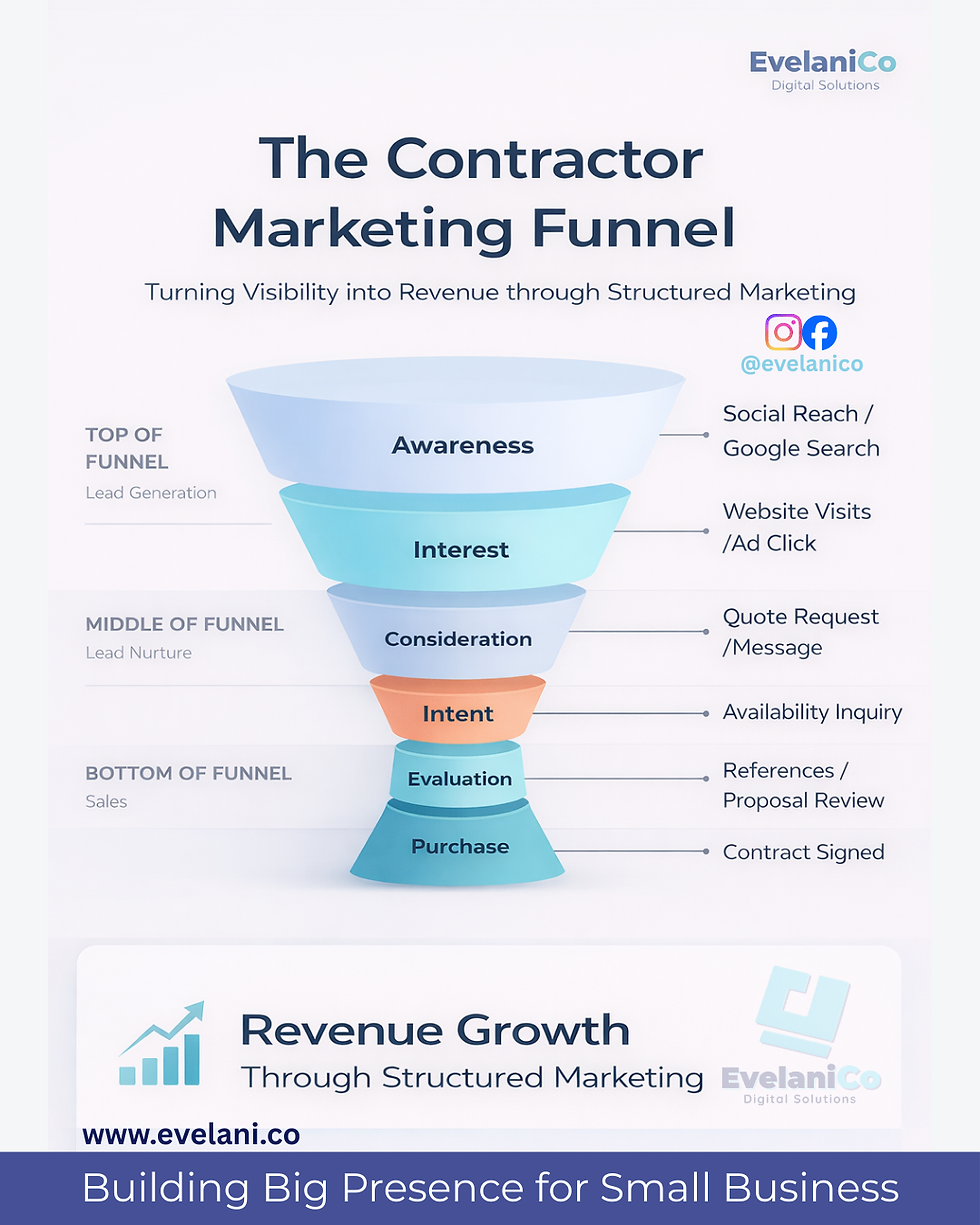
TLDR: 👇🏻
Google Ads and Meta Ads are both powerful tools, but they are designed for different purposes.
The best marketing strategies often combine:
Search intent
Brand awareness
Retargeting
Audience nurturing
Consistent testing
Conversion tracking
Understanding where each platform fits within the marketing funnel helps businesses make smarter decisions with their advertising budgets.
If your business is considering paid advertising but you’re not sure where to start, strategy matters just as much as the budget itself.
A well-managed campaign can become a powerful lead generation tool.
A poorly managed one can burn through money surprisingly fast.


Comments